Selecting the right location for an industrial facility and successfully bringing that facility online are among the most important decisions a business can make. Whether organizations are expanding operations, consolidating assets, or responding to market demands, the choices made during site selection and commissioning can influence profitability, productivity, and long-term growth for decades. A poorly chosen location can lead to logistical challenges, workforce shortages, regulatory complications, and higher operating costs.
Today, many organizations are evaluating relocation opportunities as supply chains evolve and market conditions shift. The rise in companies moving operations closer to customers, transportation hubs, and skilled labor pools has made industrial site selection more strategic than ever before. Successful projects require careful planning, collaboration with experienced professionals, and a thorough understanding of both current needs and future growth opportunities.
This guide explores the critical steps involved in industrial site selection and facility commissioning. From identifying suitable properties to obtaining approvals and preparing facilities for operation, each stage plays a vital role in ensuring project success.
Defining Business Objectives Before Searching for a Site
Before evaluating available properties, organizations must establish clear business objectives. Every industrial facility serves a specific purpose, whether it is manufacturing, warehousing, distribution, research, or processing. Understanding operational requirements helps narrow the list of potential locations and prevents costly mistakes later in the process.
Decision-makers should identify production capacity goals, transportation needs, utility requirements, workforce demands, and expansion plans. A facility that meets today’s needs but lacks room for future growth may become a liability within a few years. Strategic planning ensures the selected site can support long-term organizational goals rather than simply solving immediate challenges.
Financial considerations should also be incorporated into the planning process. Land acquisition costs, tax obligations, infrastructure investments, and ongoing operating expenses all contribute to the total cost of ownership. A comprehensive financial analysis helps organizations compare opportunities objectively and prioritize locations that deliver the greatest value.
Evaluating Greenfield and Redevelopment Opportunities
One of the first decisions during site selection involves determining whether a greenfield or redevelopment property is the better option. Greenfield sites typically offer a blank slate for development, allowing organizations to design facilities according to their exact specifications. These sites often provide greater flexibility but may require significant infrastructure investments.
Redevelopment properties, including brownfield sites, can present attractive opportunities in areas with existing transportation networks and utility access. While redevelopment projects may benefit from incentives and reduced infrastructure costs, they often require environmental assessments and remediation efforts before construction can begin. These factors should be carefully evaluated during the due diligence phase.
Organizations should compare both options based on project goals, timelines, budgets, and regulatory requirements. In some cases, redevelopment sites may provide significant economic advantages, while greenfield properties may offer greater operational flexibility. A balanced evaluation helps decision-makers identify the most suitable path forward.
Conducting Thorough Site Due Diligence
Comprehensive due diligence is essential before purchasing or leasing industrial property. Site investigations help uncover potential risks that may affect development costs, construction timelines, or future operations. The goal is to identify challenges early, when solutions are typically less expensive and easier to implement.
Environmental assessments, geotechnical studies, utility reviews, and zoning evaluations should all be completed before final commitments are made. Organizations should also examine flood risks, traffic patterns, environmental restrictions, and neighboring land uses. A site that appears ideal on the surface may reveal significant complications once detailed investigations begin.
Working with experienced consultants and technical specialists can significantly improve the quality of due diligence efforts. Their expertise helps organizations interpret findings accurately and make informed decisions. Thorough investigations reduce uncertainty and provide a stronger foundation for project planning.
Understanding Property Boundaries and Land Conditions
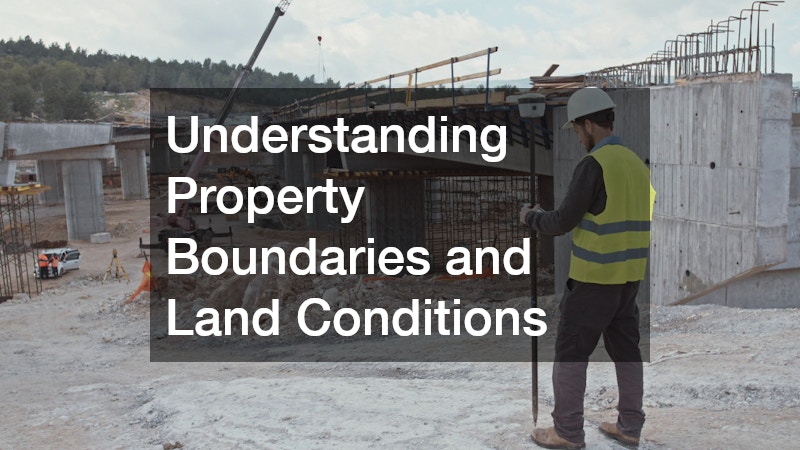
Accurate property information is critical during industrial development projects. Even minor boundary discrepancies can create legal complications, construction delays, and unexpected expenses. Verifying property dimensions and ownership records early helps avoid these issues.
A qualified land surveyor plays an important role in confirming property boundaries, easements, access rights, and topographical features. Survey data supports site design, infrastructure planning, and regulatory compliance efforts. Accurate measurements ensure that construction activities remain within approved property limits and satisfy local requirements.
Land conditions must also be thoroughly evaluated. Soil composition, drainage characteristics, elevation changes, and subsurface conditions can significantly influence development costs. Understanding these factors enables engineers and planners to design facilities that are both efficient and resilient.
Preparing the Site for Development
Once a property has been selected, preparation activities can begin. Site preparation often represents one of the most significant early investments in an industrial project. Proper planning during this phase helps create a stable foundation for future construction activities.
Many projects require extensive land clearing to remove vegetation, debris, existing structures, or unsuitable materials. Clearing activities must be coordinated carefully to comply with environmental regulations and minimize disruptions to surrounding areas. Contractors should also implement erosion control measures to protect nearby waterways and ecosystems.
Infrastructure improvements may also be necessary before construction begins. Access roads, drainage systems, grading operations, and utility extensions often require significant coordination among project stakeholders. Completing these activities efficiently helps keep the project on schedule and within budget.
Coordinating Utilities and Infrastructure Requirements
Reliable infrastructure is essential for industrial operations. Electricity, water, natural gas, telecommunications, and wastewater services must all be available in sufficient capacity to support facility demands. Evaluating utility availability early helps organizations avoid costly surprises later in the project.
Before excavation activities begin, a professional utility locator should identify existing underground infrastructure. Utility mapping helps prevent accidental damage to pipelines, communication lines, electrical systems, and other critical assets. Avoiding utility strikes improves safety while reducing the risk of costly delays.
Infrastructure planning should also consider future growth. Expanding production capacity often requires additional utility resources, and facilities designed with scalability in mind are better positioned to accommodate changing business needs. Long-term planning creates operational flexibility and reduces future capital expenditures.
Managing Permits, Approvals, and Legal Documentation
Regulatory compliance is a critical aspect of industrial development. Local, state, and federal agencies may require multiple approvals before construction can begin. Failure to obtain proper authorizations can result in delays, penalties, or project shutdowns.
One of the most important requirements is securing a building permit from the appropriate jurisdiction. Permit applications typically involve detailed construction plans, engineering documents, environmental reviews, and code compliance evaluations. Obtaining approvals can take considerable time, making early engagement with regulatory agencies essential.
Organizations should also address legal and transactional matters during this stage. Working with a reputable local title company helps verify ownership records, identify liens, and ensure clean property transfers. Thorough documentation protects all parties involved and reduces the likelihood of future disputes.
Executing Industrial Construction Projects
After approvals have been secured, construction activities can begin. Successful industrial development depends on effective project management, clear communication, and careful coordination among contractors, engineers, architects, and stakeholders. Every phase must be executed according to established quality and safety standards.
Large-scale commercial construction projects involve numerous specialized trades working simultaneously. Scheduling, procurement, quality control, and risk management all require close oversight. Strong leadership helps maintain project momentum and minimizes disruptions that could affect timelines or budgets.
Material selection and structural design decisions also influence long-term facility performance. Durable materials and efficient layouts contribute to lower maintenance costs and improved operational efficiency. Organizations that prioritize quality during construction often experience greater returns on investment over the facility’s lifespan.
Building Strong Foundations and Structural Systems
Industrial facilities depend on durable structural systems capable of supporting heavy equipment, inventory loads, and continuous operations. Foundation design is especially important because structural deficiencies can be difficult and expensive to correct after construction is complete.
Experienced concrete contractors play a key role in delivering high-quality foundations, slabs, loading areas, and structural components. Proper concrete placement, curing, and reinforcement contribute to long-term durability and performance. Quality workmanship helps reduce maintenance requirements and extends facility lifespan.
Structural systems should also account for future operational demands. Facilities that may expand production, add equipment, or modify layouts benefit from flexible structural designs. Investing in robust infrastructure during construction often produces significant long-term advantages.
Commissioning the Facility for Operational Readiness
Construction completion does not mark the end of the project. Facility commissioning ensures that all building systems function as intended before operations begin. This process verifies performance, identifies deficiencies, and confirms compliance with design specifications.
Commissioning activities typically include testing mechanical, electrical, plumbing, automation, safety, and environmental systems. Equipment calibration, performance verification, and staff training are all essential components of a successful commissioning program. Thorough testing reduces operational risks and helps prevent costly disruptions after occupancy.
Documentation is equally important during this phase. Operations manuals, maintenance procedures, warranties, and training materials should be organized and accessible. A well-documented commissioning process supports efficient facility management and provides valuable reference materials for future personnel.
Equipping the Facility and Supporting Employee Productivity
Once systems have been commissioned successfully, attention can shift toward operational readiness. Interior spaces should be organized to support productivity, safety, and employee comfort. Thoughtful planning helps create an environment that encourages efficiency and collaboration.
Administrative areas often require technology installations, workstations, storage systems, and office furniture that align with organizational needs. While industrial operations frequently focus on production spaces, office environments play an important role in supporting management, logistics, customer service, and administrative functions. Investing in quality workplace infrastructure contributes to employee satisfaction and operational effectiveness.
Organizations should also conduct final walkthroughs and readiness assessments before occupancy. These evaluations help confirm that all systems, equipment, and spaces are prepared for day-to-day operations. Addressing remaining issues before launch helps ensure a smooth transition into full production.
Developing a Long-Term Expansion and Risk Management Strategy
Industrial facilities should be planned with future growth and operational resilience in mind. Market demands, technological advancements, and supply chain shifts can significantly impact facility requirements over time. Organizations that build flexibility into their site selection and commissioning strategies are better equipped to adapt to changing conditions without major disruptions.
Expansion planning should consider available land, infrastructure capacity, workforce availability, and regulatory constraints. Even if immediate growth is not anticipated, reserving space for future production lines, warehouse expansions, or additional utility systems can provide valuable flexibility. Proactive planning often costs less than retrofitting facilities after operations are already established.
Risk management is equally important for protecting long-term investments. Companies should assess potential threats such as natural disasters, utility interruptions, environmental regulations, labor shortages, and transportation disruptions. By identifying risks early and developing contingency plans, organizations can strengthen operational continuity and reduce the likelihood of costly downtime throughout the facility’s lifecycle.
Industrial site selection and facility commissioning involve far more than finding available land and constructing a building. Every stage, from defining objectives and evaluating properties to securing approvals and commissioning systems, influences the long-term success of the project. Organizations that approach these processes strategically are better positioned to control costs, reduce risks, and support future growth.
As industrial markets continue to evolve, businesses must make increasingly sophisticated decisions regarding facility development and expansion. Careful planning, thorough due diligence, and collaboration with experienced professionals provide the foundation for successful outcomes. By following a structured approach, organizations can create facilities that support operational excellence for years to come.
As competition increases across industrial sectors, the ability to select the right site and successfully commission a facility can become a significant competitive advantage. Facilities that are strategically located, efficiently designed, and thoroughly tested before launch are better positioned to support productivity, customer satisfaction, and long-term profitability. By treating site selection and commissioning as integrated components of a broader business strategy, organizations can maximize the return on their investment and establish a strong foundation for future success.
Sustained success in industrial development ultimately depends on discipline throughout every phase of the project, from early feasibility analysis through final operational handover. Organizations that invest in rigorous planning, qualified expertise, and structured commissioning processes consistently reduce risk exposure and improve performance outcomes. When these practices are applied consistently, the result is not just a functional facility, but a durable operational asset capable of supporting evolving business needs over time.
Ultimately, the most successful industrial projects are those that balance immediate operational needs with long-term strategic goals. Whether developing a new facility or expanding existing operations, investing time and resources into thoughtful site selection and commissioning efforts delivers lasting value. A well-chosen and properly commissioned facility becomes a powerful asset that supports productivity, profitability, and sustainable growth.